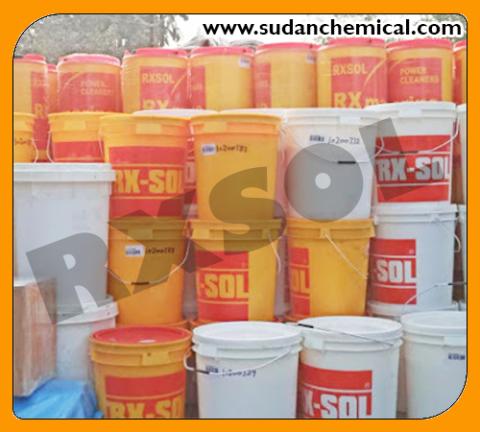
Product code: RXSOL-40-4047-030
Dechlorination liquid shall be formulated and produced to chemically neutralize both free and combined chlorine in water, wastewater and process water treatment systems.
Bio-Neutralizer dechlorination liquid shall be formulated and produced to chemically neutralize both free and combined chlorine in water, wastewater and process water treatment systems. Bio-Neutralizer liquid shall be engineered to dissolve slowly and evenly, maintaining effluent quality without any loss of dissolved oxygen or increase in BOD5.
Also available in TABLET form - The tablets shall be 25/8" diameter, compressed to 13/16" thickness with an approximate weight of 5 oz. and incorporate beveled edges to stabilize chemical release and to minimize maintenance requirements. Sulfur dioxide gas or liquid sodium metabisulfite systems create serious health hazards and handling concerns and therefore shall not be considered for this application.
Application
Thick Bio-Neutralizer liquid shall be effective in the reduction or elimination of residual chlorine without releasing excess quantities of sodium sulfite into the receiving environment. Dose of Bio-Neutralizer maintain a consistent application rate at intermittent peak flow factors as high as four and shall provide reliable reduction of residual chlorine even when the significant runoff period is six hours. Bio-Neutralizer shall be considered non-hazardous under U.S. Department of Transportation (DOT), U.S. Environmental Protection Agency (USEPA), RCRA, CERCLA and SARA Title III listings and consist solely of commercial grade or technical grade ingredients. The following is a list of some common applications where Bio-Neutralizer dechlorination may be utilized: home wastewater treatment plants, municipal wastewater plants, septic tanks – sand filters, extended aeration plants, wastewater treatment lagoons, package wastewater treatment systems, spray irrigation systems, potable water filtration backwash, municipal water plants and water towers.
Dosage
When used as directed, Bio-Neutralizer dechlorination liquid shall provide an environmentally safe dose of sodium sulfite capable of neutralizing free and combined chlorine present in treated water, wastewater or process water. Research shows that high concentrations of sodium sulfite will degrade beneficial dissolved oxygen in receiving environments, producing harmful effects on the ecosystem. Dechlorination liquid shall provide consistent reduction or elimination of residual chlorine without affecting water quality, dissolved oxygen or other discharge parameters. A unique combination of sustained release agents and sodium sulfite shall maintain a consistently uniform application rate regardless of flow, temperature or humidity. Dechlorination liquid shall generally lower chemical consumption and provide reliable reduction of chlorine residual in a more thorough, safe and economical manner than simple compressed sodium sulfite. Therefore, the use of other tablets of similar composition shall not be considered for this application.
FEED TUBE LOADING INSTRUCTIONS:
1. Remove feed tube from dispenser housing.
2. Remove protective cap from feed tube; place cap in a clean, dry area.
3. Remove any tablet residue by gently tapping feed tube on concrete or stone surface. If liquid other than Bio-Neutralizer have been used, rinse tube and cap with fresh water until clean and allow to dry before proceeding.
4. Hold tube, slotted end up, at a 45° angle and slide Bio-Neutralizer dechlorination liquid into the tube, one tablet at a time.
5. Ensure that all tablets lie flat, on top of one another, in the feed tube.
6. Use your gloved hand to retain tablets inside the open end of the inverted tube while filling.
7. Carefully return tube to upright position.
8. Replace the cap securely.
9. Place tube back into housing, slotted end down.
10. Be sure feed tube is fully engaged and rests evenly on the floor of the housing.
11. If the tablet feeder incorporates multiple feed tubes, consult the manufacturer’s instructions to determine the correct number of tubes to be filled and their placement.